All About Abdominoplasty (Tummy Tucks)
14th Jul 2021
|
|
|
|
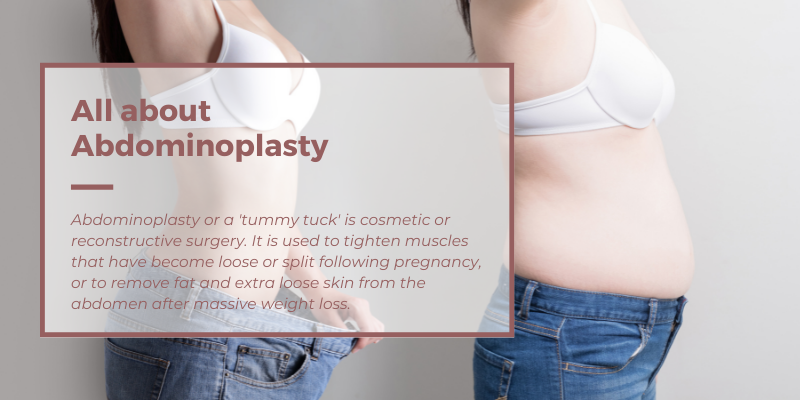
Abdominoplasty or a 'tummy tuck' is cosmetic or reconstructive surgery. It is used to tighten muscles that have become loose or split following pregnancy, or to remove fat and extra loose skin from the abdomen after massive weight loss. |
|
|
In most cases, abdominoplasty will:
|
|
|
|
|
|
Abdominoplasty is not a substitute for weight loss or exercise. It may be possible to achieve a flatter stomach without surgery, through healthy eating and exercise, but not always. Many medical practitioners recommend that abdominoplasty be considered only after dieting and exercise have achieved the right body shape underneath. |
|
| Abdominoplasty – What Happens During Surgery | |
|
All surgery, including abdominoplasty, must be performed within licensed and accredited facilities. A registered anaesthetist must be present to treat you for any adverse reaction you may have to the anaesthetic. You can check if your anaesthetist is registered by searching on the AHPRA website. |
|
|
There are two types of abdominoplasty: |
|
|
|
|
|
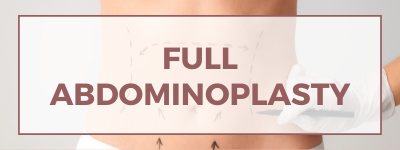
which removes excess skin and tightens underlying muscles across the whole abdominal area, including around the navel |
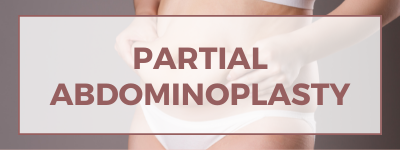
which removes excess skin below the navel and tightens the lower abdominal muscles only |
|
The operation is usually performed under general anaesthetic. The length of the operation will depend on the extent of the surgery, but it could take up to three hours. |
|
|
Generally, a full abdominoplasty involves:
|
|
|
|
|
|
All surgery must be performed within licensed and accredited facilities with a registered anaesthetist (this can be checked on the AHPRA website [https://www.ahpra.gov.au]) present to treat you for any adverse reaction you may have to the anaesthetic. |
|
|
After the operation, you can expect:
|
|
| Self-Care At Home After Abdominoplasty | |
|
Be guided by your medical practitioner, but general self-care suggestions include:
Your medical practitioner may advise you to:
|
|
|
|
|
|
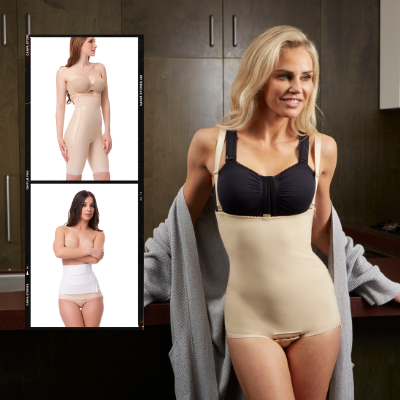
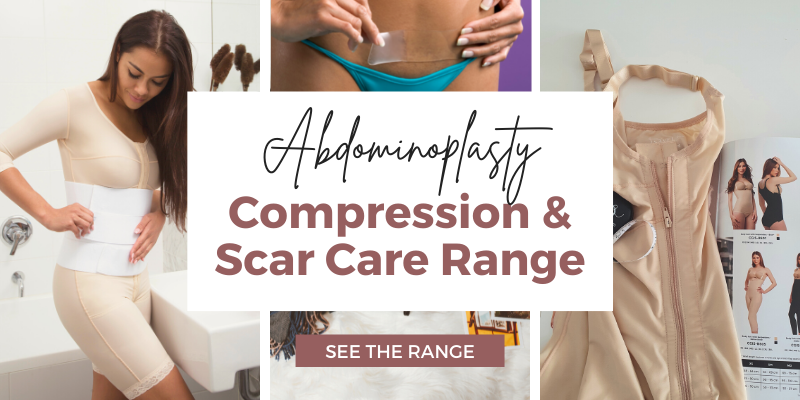
At Exquisite Bodies we offer a range of high-quality compression garments and scar care to aid in your post surgical recovery. Contact Exquisite Bodies on 1300 855 617 or visit the range here. Or contact us for more info. |
|
|
If you are a plastic surgery clinic and would like more information on becoming a stockist of our post-surgical range fill in the form or phone 1300 855 617. Be sure to phone us before placing your first online order, so we can adjust your pricing. Shipping is FREE when clinics order online. |
|
|
Ref:www.betterhealth.vic.gov.au/ |
|