
Nutrition and Wound Healing
8th Aug 2016
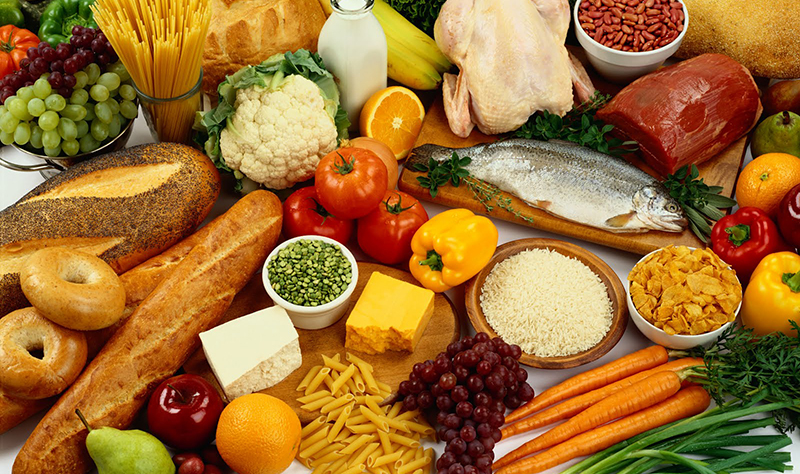
An often forgotten about factor when recovering from surgery is your nutrition. What you put into your body is extremely important, it's essentially what sustains you, and the foods you eat can even define your health.
Of course it's important you talk to your doctor, surgeon or nutritionist if you'd like to make an eating plan or drastically change your diet, but here are some helpful information about nutrition that could help you on your way to recovery after surgery:
According to the document 'Nutrition & Wound Care' developed by health experts, poor nutrition before or during the healing process may delay healing and impair wound strength, making the wound more prone to breakdown. Neglecting the nutritional health of an individual with a wound can compromise the entire wound management process.
Wound healing is a complex process – in simple terms, it is the process of replacing injured tissue with new tissue produced by the body which demands an increased consumption of energy and particular nutrients, particularly protein and calories. A wound causes a number of changes in the body that can affect the healing process, including changes in energy, protein, carbohydrate, fat, vitamin and mineral metabolism. When the body sustains a wound, stress hormones are released in a fight or-flight reaction and the metabolism alters in order to supply the injured area with the nutrients it needs to heal – known as the catabolic phase. The body experiences an increased metabolic rate, loss of total body water, and increased collagen and cellular turnover. These effects can be pronounced even with a small wound.
If you're interested in learning more about wound care, you can visit the Australian Wound Management Australia website page: http://www.awma.com.au/