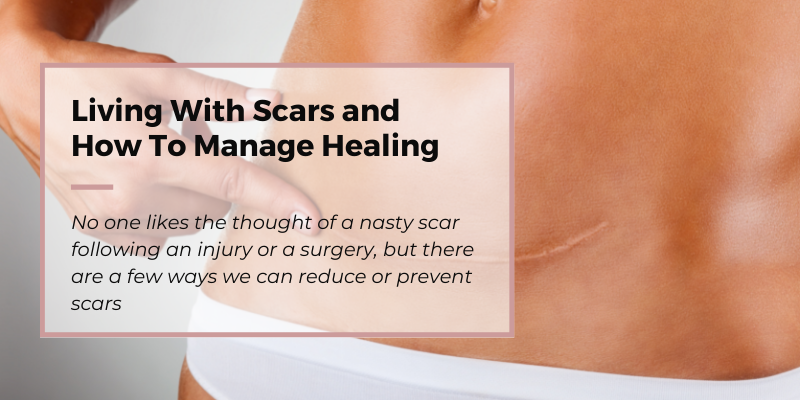
Living With Scars and How To Manage Healing
5th Aug 2021
|
|
|
| So What Causes Surgical Scars? | |
|
According to Very Well Health, whenever the skin sustains damage, there is the possibility of scarring. For example, as a child, skinning your knee repeatedly may result in a scar that lasts a lifetime. The same is true of surgery—even cosmetic surgery—regardless of the skill of your surgeon. Making an incision, which typically requires cutting through all of the layers of the skin, can result in scarring, regardless of where on the body surgery is performed or why the surgery is being done. Surgery performed by a less skilled surgeon may result in a greater degree of scarring, but often the skill of the surgeon has no effect on the amount of scarring that takes place. This is because your surgeon cannot control all the factors that determine how badly you will scar. |
|
| What are the Types of Scars? | |
|
|
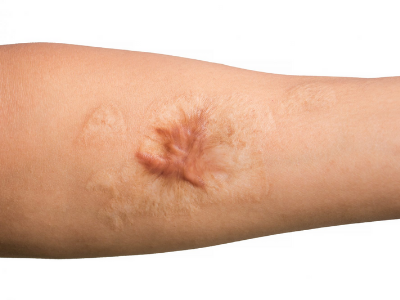
KELOID SCARS
These scars are the result of an overly aggressive healing process. They extend beyond the original injury. Over time, a keloid scar may hamper movement. Treatments include surgery to remove the scar, steroid injections, or silicone sheets to flatten the scar. Smaller keloids can be treated using cryotherapy (freezing therapy using liquid nitrogen). You can also prevent keloid formation by using pressure treatment or
gel pads with silicone |
|
|
CONTRACTURE SCARS
If your skin has been burned, you may have a contracture scar. These scars tighten skin, which can impair your ability to move. Contracture scars may also go deeper, affecting muscles and nerves. |
|
|
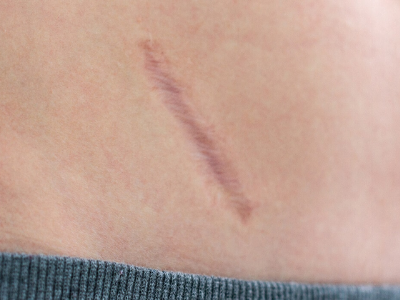
HYPERTROPHIC SCARS
These are raised, red scars that are similar to keloids but do not go beyond the boundary of the injury. Treatments include injections of steroids to reduce inflammation or
silicone sheets |
|
|
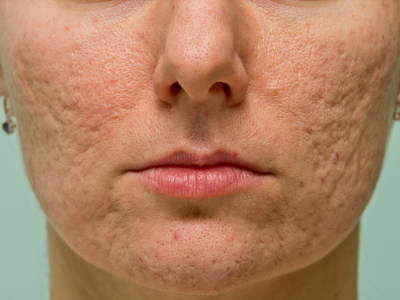
ACNE SCARS
If you've had severe acne, you probably have the scars to prove it. There are many types of acne scars, ranging from deep pits to scars that are angular or wavelike in appearance. Treatment options depend on the types of acne scars you have.
(We have the ProSil Silicone Stick range to help reduce the appearance of some acne scars) |
| Risk Factors for Scarring | |
|
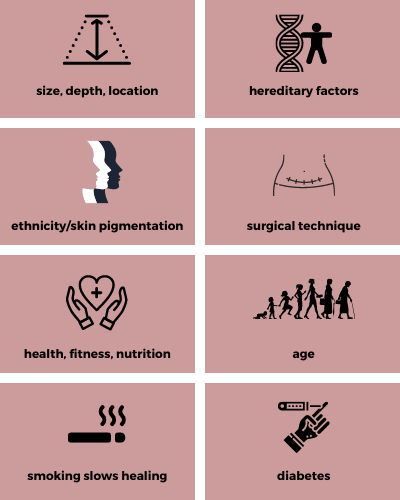
The formation of scars or scar tissue is a normal part of the healing process, and occurs when the skin is cut due to injury or surgery. The growth of scar tissue is influenced by many factors, these include: |
|
|
|
|
|
Scars are permanent. However, over time they may become less pink, faded and less noticeable. Occasionally, scars may be thick, irregularly raised and pink. |
|
| How Quickly Your Skin Heals | |
|
You may be one of the genetically blessed people who seem to heal magically, quickly, and easily with minimal scarring. Or, you may have skin that tends to heal slowly—possibly because you have an underlying medical condition like diabetes that predisposes you to slow skin healing. How quickly you heal is a personal thing and can change with illness or injury. |
|
| Prevention | |
|
Preventing scars means focusing on the factors that you can control. Some ways are simple, like following the instructions your surgeon gives you to the letter. Others are not so easy, like quitting smoking. |
|
|
|
|
|
Not only does smoking increase your risk for scars, it can also slow your healing. Smoking is such a significant risk factor that many plastic surgeons will not operate on a patient if he does not quit smoking completely for at least 2 weeks prior to surgery. |
Alcohol dehydrates both the body and skin, which decreases your overall state of health. While your wound is healing, avoid alcohol and focus on non-caffeinated beverages. |
|
|
|
|
Dehydration happens when you are not taking in enough fluids. In severe cases, this can cause electrolyte imbalances and heart issues. In less severe cases, you will feel thirsty and your overall health will be diminished. Stay well hydrated—you will know if you are well-hydrated because your urine will be almost colourless or light in colour. |
Eat a balanced diet with an emphasis on protein intake. Protein makes up the building blocks of healing skin. It is essential to provide your body with adequate protein (chicken, pork, fish, seafood, beef, dairy products) to allow your skin to heal. If you do not like eating meat, soy products provide an excellent alternative as a lean protein source. |
|
|
|
|
If you are overweight, you may be at greater risk of scarring. Why? The fat under your skin can work against your surgeon's best efforts to close your incision seamlessly. |
Diabetes and many other illnesses can slow healing. For the best possible outcome, your illness should be as well-controlled as possible before surgery and during your recovery. For example, for a person with diabetes, it is essential for blood glucose levels to be within normal limits as much as possible, as high levels slow healing. |
| Healing and Wound Care | |
|
Take steps during your recovery that may help minimise or prevent scarring. Good incision care, which includes preventing infection, is one of the best ways to prevent scarring after surgery. |
|
|
Generally, a full abdominoplasty involves:
|
|
| Surgical Scar Treatments | |
|
If you are seriously concerned about scarring, consider discussing the following methods of scar minimisation and prevention with your surgeon. Your surgeon may be able to prescribe additional treatments that lower your chances of scarring. |
|
| Silicone Wound Treatment | |
|
Silicone wound dressings feel similar to a thick plastic wrap that you would use in the kitchen. Silicone sheets are applied directly to the wound and stay there. Silicon gel is applied directly over the scar and allowed dry in place. The direct contact is how it works. Studies have shown that silicone can help reduce scarring and is commonly used after plastic surgery. Discuss silicone dressings with your surgeon prior to your procedure, as the surgeon will need to apply this type of bandage. |
|
|
|
|
| Incision Placement | |
|
In some surgeries, the placement of the incision is not absolute. You may be able to talk to your surgeon about where the incision is placed to either hide or help minimize scars. For example, a caesarean section can be performed with a vertical incision, which may be more obvious, or a horizontal incision, which may be disguised by a bikini. |
|
| Prescription Medications | |
|
If you have a tendency to scar badly, your surgeon may be able to prescribe cleansers, ointments or a wound care regimen to help. |
|
| Massage | |
|
More doctors are recommending that patients (or a licensed massage therapist) massage their scars. This should be done after the wound closes and any staples or sutures are removed. Massaging an incision and the surrounding tissue may even out any bumps or lumps that remain after the healing process. Be sure to use ample lotion, so that your fingers don’t “stick” to your skin, but slide freely. |
|
| Steroid Injections | |
|
If you are prone to forming keloid scars, talk to your surgeon about having a steroid injection to prevent the formation of another keloid. |
|
|
|
|
|
At Exquisite Bodies we offer a range of high-quality compression garments and scar care to aid in your post surgical recovery. Contact Exquisite Bodies on 1300 855 617 or visit the range here. Or contact us for more info. |
|
|
If you are a plastic surgery clinic and would like more information on becoming a stockist of our post-surgical range fill in the form or phone 1300 855 617. Be sure to phone us before placing your first online order, so we can adjust your pricing. Shipping is FREE when clinics order online. |
|
|
Ref:https://www.webmd.com/beauty/cosmetic-procedures-scars#1, verywellhealth.com, https://plasticsurgery.org.au/ |
|
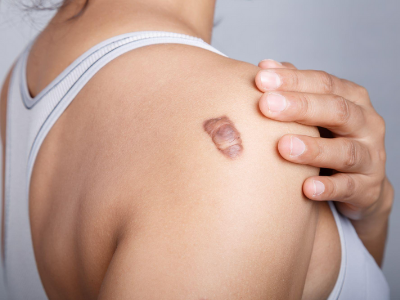
 when you are injured. Keloid scars are most common among people with dark skin.